The History of Burning Man: From Desert Gathering to Global MovementThe History of Burning Man: From Desert Gathering to Global Movement
Burning Man is more than an annual festival. It is a cultural phenomenon. What began as a small gathering on a San Francisco beach has transformed into a global movement celebrated in the Nevada desert. Questions about who owns burning man often arise, reflecting curiosity about the organization and its leadership. Its blend of art, community, self-expression, and radical creativity attracts tens of thousands of participants each year. Understanding its history provides insight into how a unique event evolved into a worldwide cultural force.
Early Beginnings on Baker Beach
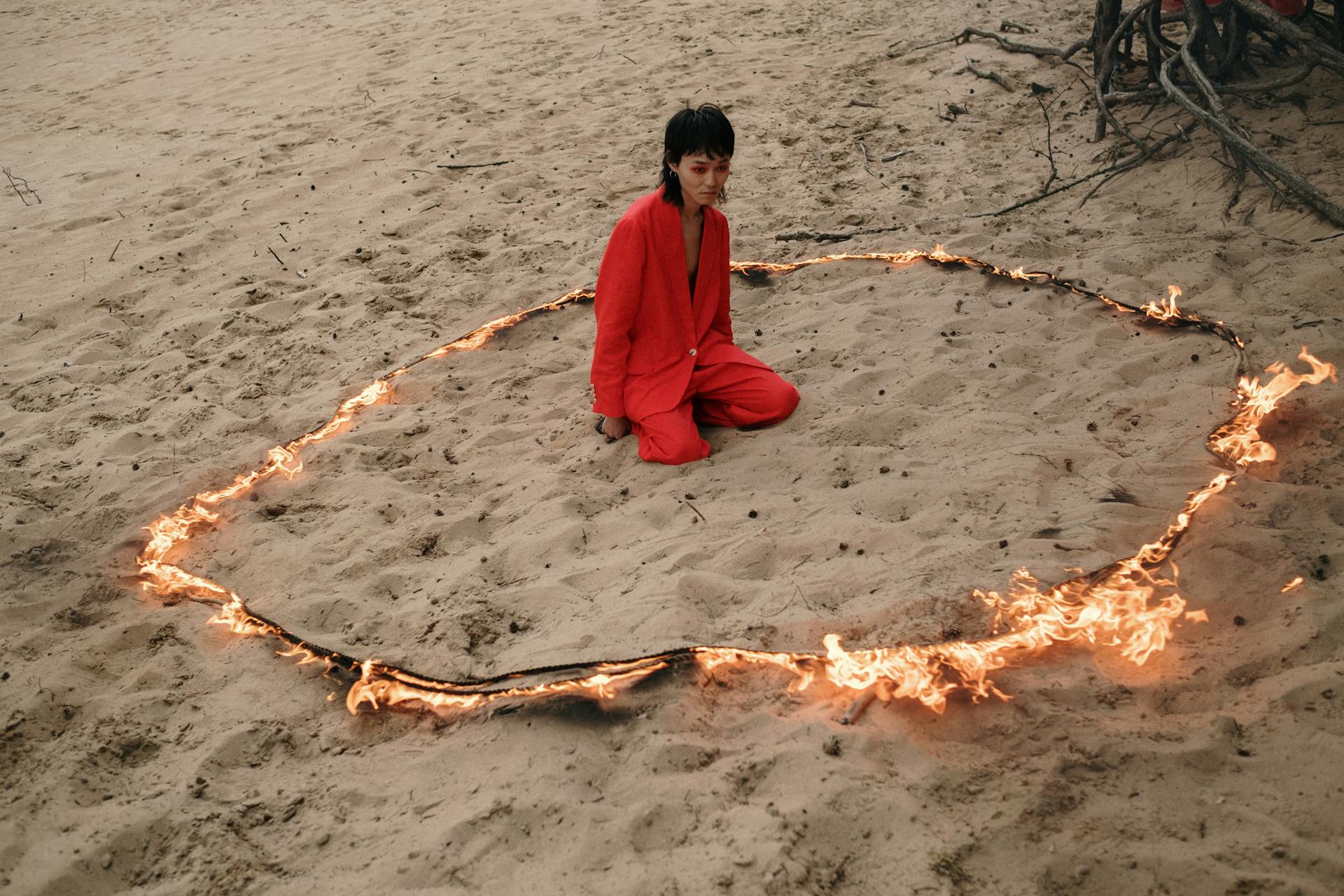
Burning Man began in 1986 when Larry Harvey and Jerry James fumed a wooden image of a man on Baker Beach in San Francisco. The gathering was initially informal, with a small group of friends participating. This ritual symbolized liberation, self-expression, and a rejection of societal norms. The beach burn laid the foundation for what would eventually become a much larger and more organized event.
Transition to the Black Rock Desert

By 1990, the event outgrew its urban setting and moved to the Black Rock Desert in Nevada. The open desert provided space for larger installations and more participants. The relocation allowed the festival to develop its unique temporary city, later named Black Rock City. This environment fostered experimentation and creativity on a scale impossible in the city, ensuring that the event could expand without losing its core principles.
Emergence of Core Principles
As Burning Man grew, its founders established guiding principles to shape the culture and experience. Radical inclusion, self-reliance, …